
Comparison of Shoe Sole Materials – When to Use Which?
**Comparison of Shoe Sole Materials – When to Use Which?** The shoe sole is the structural element that determines a footwear's comfort, durability, and usability.Details
Comparison of Shoe Sole Materials – When to Use Which?
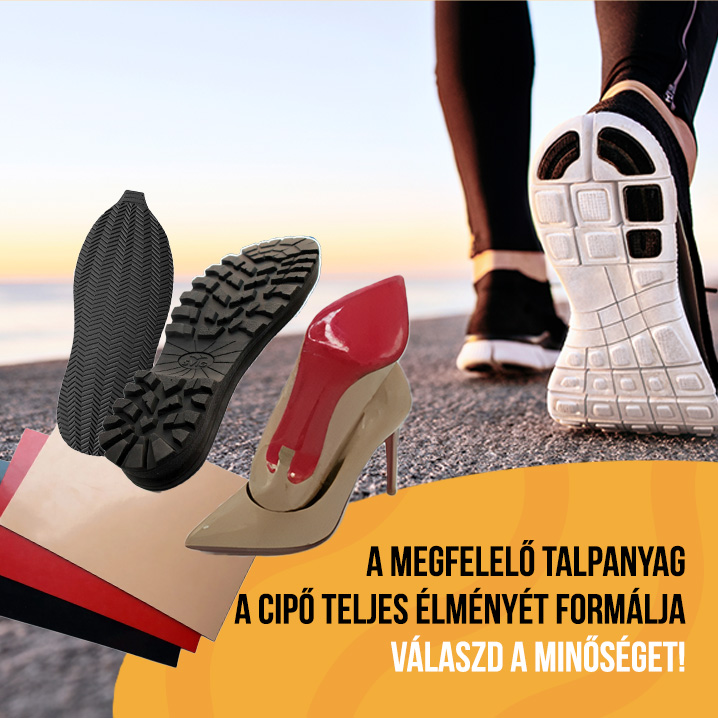
The shoe sole is the structural element that determines a footwear's comfort, durability, and usability. Manufacturers today utilize a wide variety of sole materials, each offering different properties and advantages. Below, we introduce four highlighted materials: EVA, high-rubber-content trekking material, micro-rubber, and synthetic cork. These sole materials are defining players in the modern shoe industry, showcasing how technology meets functionality. In the product range of Belső és Társa, you will find all of these in premium quality, along with additional materials and accessories required for complete sole construction.
In summary: EVA is a lightweight, flexible midsole material; trekking is a durable all-terrain solution; micro-rubber is a wear-resistant, high-traction, excellent material; and synthetic cork offers the benefits of natural cork in a more durable, modern design.
What is an EVA sole, and what is it good for?
The EVA (ethylene-vinyl acetate) is a flexible, foamed polymer and one of the most widely used sole materials, particularly in athletic footwear and everyday shoes. Its greatest advantage is being extremely lightweight while offering excellent shock absorption, thereby reducing the strain on feet and joints. The EVA sole is flexible, will not crack, and holds up well to daily use. Its drawback is that under very intensive stress, it may lose some elasticity over time, though this is rarely an issue for everyday use. It retains heat well, making it a popular material for winter footwear and rubber boots. Manufacturers often combine it with other materials to enhance its slip resistance and wear resistance.
When should you choose high-rubber-content trekking material?
This is the most durable material among the four. It provides strong traction on uneven, wet ground and holds up well under heavy use. For hiking, work, and outdoor shoes, this sole material delivers the necessary protection and durability. The trekking soles are often made with a deeper tread pattern, which aids stable strides and safe movement. This material is the best choice for any footwear used where the environment presents a challenge. Their area of application within footwear manufacturing and shoe repair is extremely broad, and in fact, they perform perfectly on any type of footwear.
What is micro-rubber, and why do cobblers like it?
The micro-rubber perfectly combines the properties of rubber and EVA. This hybrid composition bridges the gap between the two materials: it retains the extreme lightness of EVA, while the addition of rubber drastically improves wear resistance and grip. Cobblers particularly favor it because it is available in sheets, and is exceptionally easy to cut, sand, and glue. Its composition and quality fully comply with both domestic and EU standards defined for orthopedic footwear, making it particularly suitable for manufacturing healthcare shoes, children's shoes, and sandals.
What is a synthetic cork sole made of?
Pure, natural cork without reinforcement is prone to cracking and is more costly to produce. The synthetic cork shoe sole is made from a blend of natural cork granules and synthetic binders—resins, rubber-latex, EVA, or polyurethane. This composition makes the material more flexible, increases durability, and allows for more cost-effective manufacturing, while preserving the lightness and excellent shock-absorbing properties of cork. It is a reliable choice for mass production and intensive use. It is primarily used in the manufacturing of orthopedic shoes and sandals, but it is also frequently utilized as a flexible midsole.
With us, you will find everything you need for sole construction
The complete sole material range at Belső és Társa is manufactured by SVIG, which rivals the quality of VIBRAM while offering significantly more favorable pricing. Among our products—available in countless patterns, colors, and compositions—you will find everything needed for sole construction: EVA, trekking, synthetic cork, and micro-rubber sole materials, anti-slip soles, heel components, molded soles, half soles, as well as all additional accessories like adhesives and welts, allowing the full material requirements for shoemaking and shoe repair to be sourced in one place.
Choose the premium product range of Belső és Társa!
Selecting the right sole material is not just a technical decision: it determines the shoe's comfort, durability, and the sense of quality that the customer experiences from the very first step. Sole selection is part of a brand's credibility, as a well-chosen material conveys reliable performance and consistent quality over the long term.
If you already have an idea of which material you would like to use, tell us—and we will show you what solutions are at your disposal and which one perfectly fits your intended purpose. Whether it is a matter of crafting new shoes or restoring existing footwear, our shoe sole materials will help you get the job done easily and professionally.
Recent Posts
Comparison of Shoe Sole Materials – When to Use Which?

